

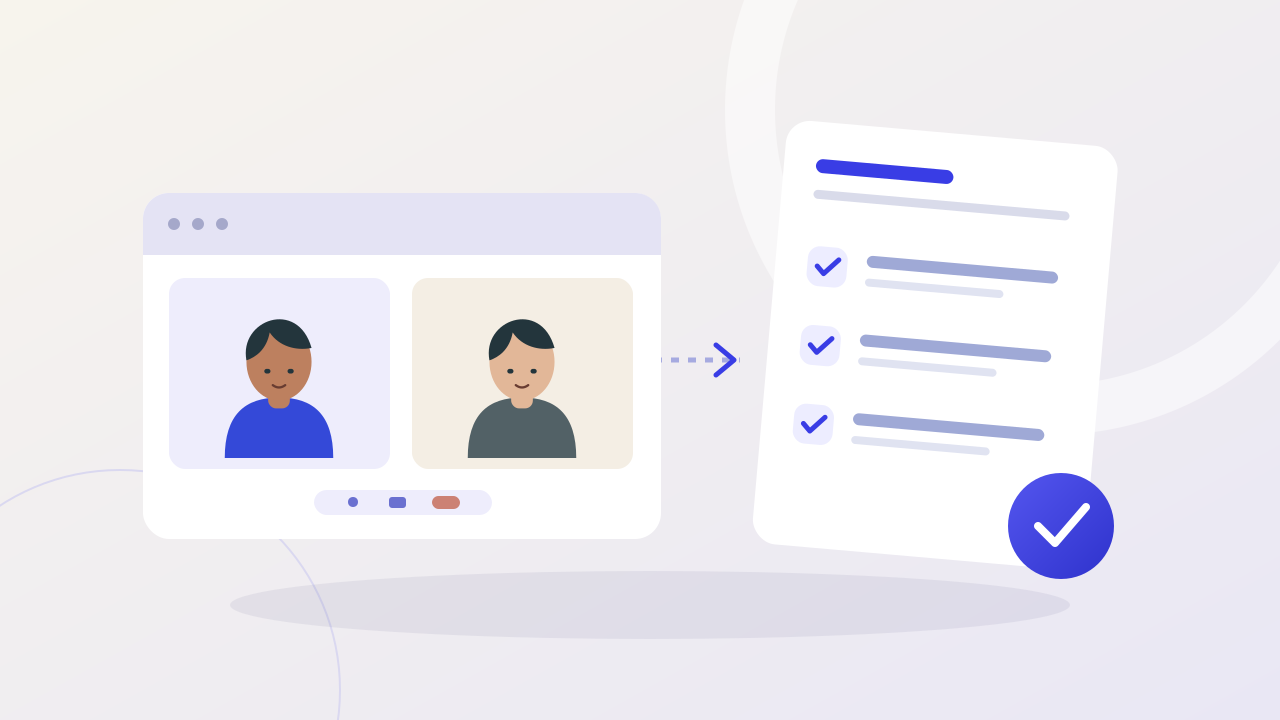
Start with the decisions that shape the website.
When you are starting a business, a website can quickly become a long list of decisions. Which platform should you use? How many pages do you need? Should customers book online? Do you need an online shop, or would a clear enquiry form be enough?
It is tempting to answer those questions by choosing a template and getting started. Sometimes that works. Sometimes you spend evenings adjusting a website without being sure whether it is helping the business you want to build.
A website consultation gives you time to work through the important decisions with someone who builds websites. The aim is to leave knowing what matters now, what can wait and what you need to do next.
I’m Jadon, a web designer and developer with more than 10 years of experience. I offer paid consultations as well as website design. This guide explains where that advice can be useful, including situations where a paid session may not be necessary.
What can you leave with?
- A more focused purpose for your website.
- A shortlist of priorities, instead of an expanding feature list.
- Practical next steps in a PDF you can refer back to.
Work out what your customers need to do.
Before discussing colours or animations, I want to understand your offer and the action a customer needs to take. A local service business might need qualified enquiries. A tutor may need to explain the lessons, build trust and make it easy to arrange a first conversation.
Those goals lead to different pages, content and contact routes. A consultation can help turn “I need a professional website” into a more useful brief: who it is for, what they need to know and how they will get in touch.
The GOV.UK Service Manual recommends understanding users’ problems and testing assumptions early to reduce the risk of creating an unsuitable service. That guidance is written for public services; the principle is useful for a small business website too.
You still need evidence from your own customers. A consultation can help identify questions to ask and assumptions to check; it cannot replace knowing whether people want your offer. The US Small Business Administration’s planning guidance also explains how early market research can help you assess demand and reduce uncertainty.
Spend less time going round in circles.
Comparing five website builders can feel productive. So can watching another tutorial or rebuilding the same homepage. The question is whether that work is helping you make a decision and move towards launch.
Bring the point where you are stuck to the session. We can explore the options against your actual needs: whether you want to update the site yourself, how bookings work, what content you have and how much time you can realistically give it.
For example, a consultant starting a new practice might assume they need a membership area. After talking through the first offer, an information page and a simple booking route may be a more manageable starting point. That is an illustrative example, rather than a result promised for every business.
The benefit is a decision you can act on. You might still choose to build it yourself. If that is your preference, read my comparison of DIY, AI and a web designer before committing your time.
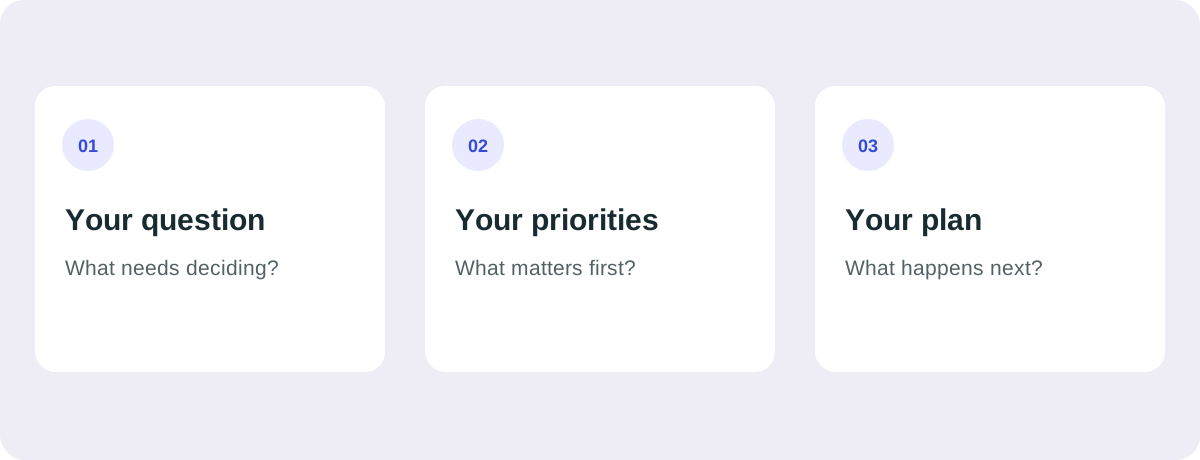
Buy the tools and features you need first.
A limited budget has to cover more than the design. Domains, hosting, email, software subscriptions and your own time all matter. An early conversation can help you separate what the first version needs from features you can add when there is a reason to do so.
That might mean checking whether your existing booking tool is suitable before paying for custom development, or deciding how you will manage content before choosing a platform. It can also reveal work that genuinely needs a larger budget. Advice is useful when it gives you a realistic scope, even if that scope is more involved than you expected.
A simple way to assess the cost
If you personally value eight hours of your time at £30 per hour, those hours represent £240. A £120 consultation followed by two hours of preparation represents £180 on the same basis: £120 + £60 of your time.
On those assumptions, the difference is £60 in combined fees and time value. That is an illustrative comparison, rather than a predicted cash saving. Your time value, the decisions involved and the work still needed will be different. Ask whether the session is likely to resolve a decision worth paying for.
I would not promise that one call will save every business money. The practical opportunity is to spot avoidable work and make spending decisions with a clearer understanding of the trade-offs. My domains and hosting guide and website pricing page can help you understand some of those costs first.
Give your website project a more useful starting point.
A designer can work more effectively when the brief explains what you sell, who you want to reach, what customers should do and what is ready to use. A consultation can help uncover missing content or unclear decisions before they become changes during the build.
You do not need a polished presentation. Bring a short description of the business, your website if you have one, the main question you want to resolve and any budget or launch constraints. Examples of websites you like are helpful if you can explain what you like about them.
We can discuss what to tackle first and what you need to prepare next. A session does not automatically include a complete specification, finished copy or design work. The website preparation checklist gives you a practical place to start.
You can use the advice whether you later build the site yourself, work with me or take the plan to another designer. Booking a consultation does not commit you to a website project.
Private focus or a shared discussion?
Website & Digital Business Audit: £120 for 60 minutes
Choose the individual audit when you want private time to look at your existing website or planned customer journey in more depth. I review your website and main question beforehand, then we work through the priorities together on Google Meet.
You receive a personalised PDF with five priorities and practical next steps, emailed within two working days. It is a useful option when several website decisions are connected or you would rather discuss your business privately.
Explore the individual website audit.
Website Clarity Clinic: £75 per business for 90 minutes
The clinic is a small group session for up to four businesses to work through website ideas, digital business challenges and priorities. You get feedback on your business and the chance to learn from the other discussions. The 90 minutes is shared session time, rather than a private 90-minute review for each business.
One partner or colleague from your business can join at no extra charge and shares your review slot. Each business receives its own short PDF with recommendations within two working days. Because other attendees hear the discussion, choose the individual audit if your business needs privacy.
Explore the group website clinic. The booking calendar shows availability; clinics run on Mondays and Fridays within 9am–8pm UK time.
Both options are advice sessions. Sessions are recorded to help prepare the PDF, with recording confirmed before it starts. Design, development and implementation are separate. The consultations page explains the details and booking terms.
You do not always need a paid consultation.
If you already have a straightforward brief and simply want to discuss working with me on a website, the free discovery call may be enough. You can also request a free website preview without booking a paid session first.
A paid consultation makes more sense when you have a decision to work through: what the first version should include, why your current site is difficult to use, how enquiries should flow or which tools fit the way your business operates.
Before booking, finish this sentence: “After this session, I want to be able to decide…” If the answer is specific, we have a useful starting point. If you are still exploring general information, start with the free website guides and FAQs.
The value of a consultation is the plan you can put into practice afterwards. For a new entrepreneur or small business owner, that can mean a more focused first website, fewer decisions left hanging and a better understanding of where to spend your effort next.